The EPR Audit Gap: Why Manufacturer Scrap Estimates Fail Under Examination
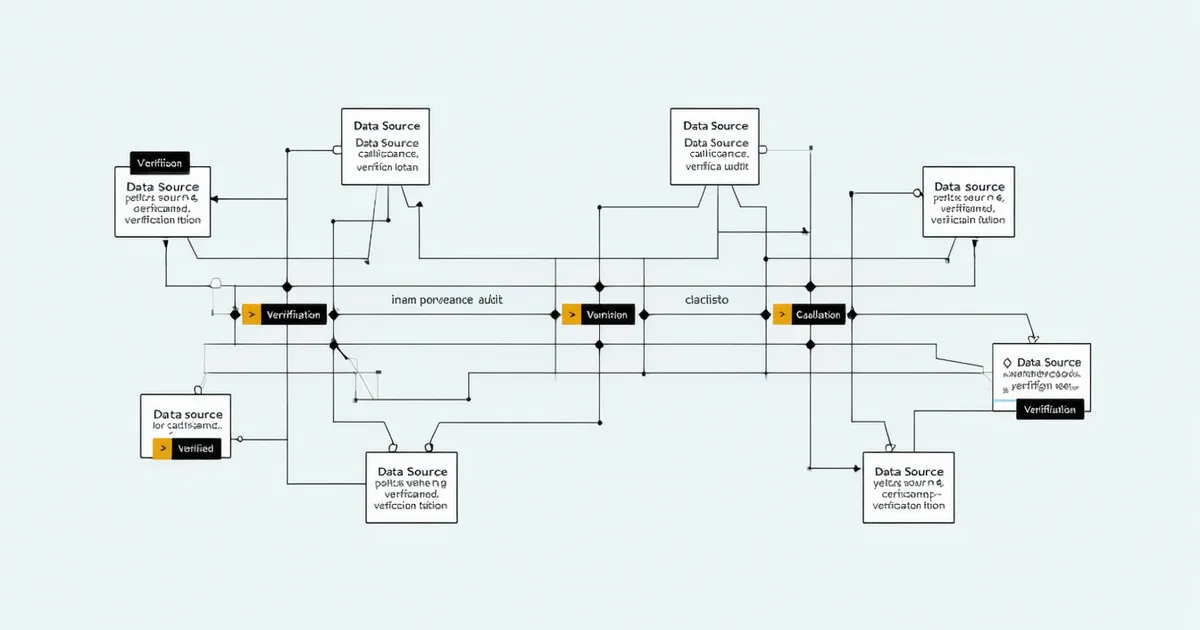
When EPR regulators ask for documented chain-of-custody, most manufacturers discover their scrap records can't prove what they thought they knew.
Analysis of EPR regulations, material traceability, and the operational realities of circular manufacturing.
When EPR regulators ask for documented chain-of-custody, most manufacturers discover their scrap records can't prove what they thought they knew.
Michigan's EPR framework is arriving faster than most automotive suppliers expected. Here's what the documentation requirements actually look like in practice.
A closed-loop percentage is only as credible as the chain-of-custody records behind it. The math is simple. The documentation is where manufacturers get caught.
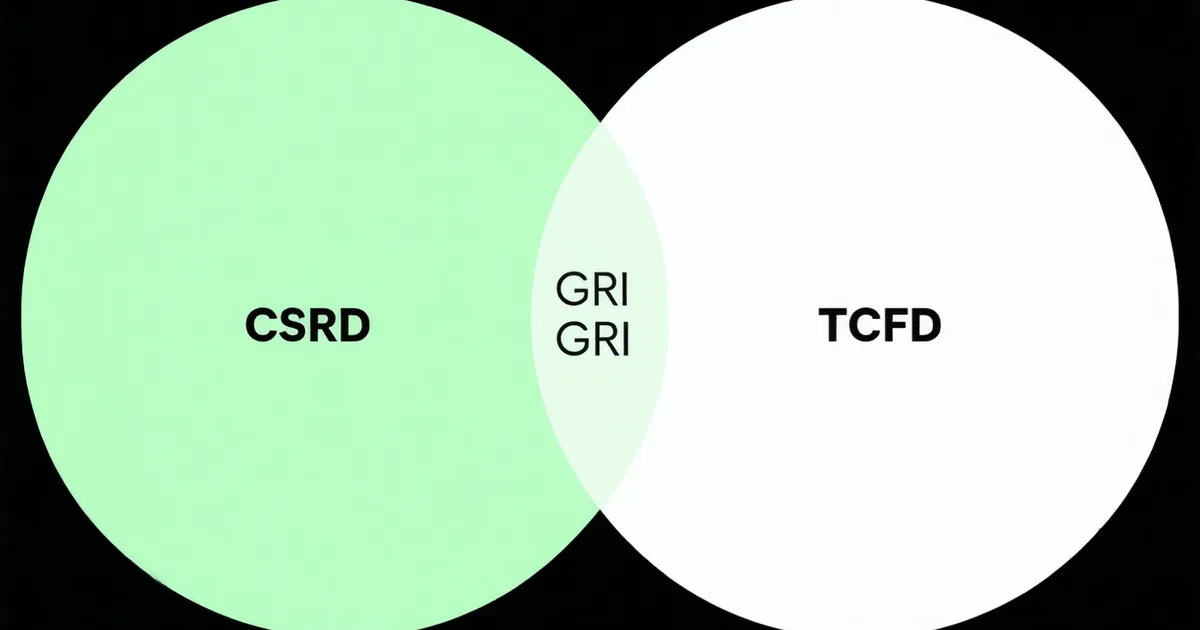
GRI 306 requires waste data by type and disposal method. For a stamping plant or plastics extruder, translating production floor records into a compliant disclosure is more involved than it looks.
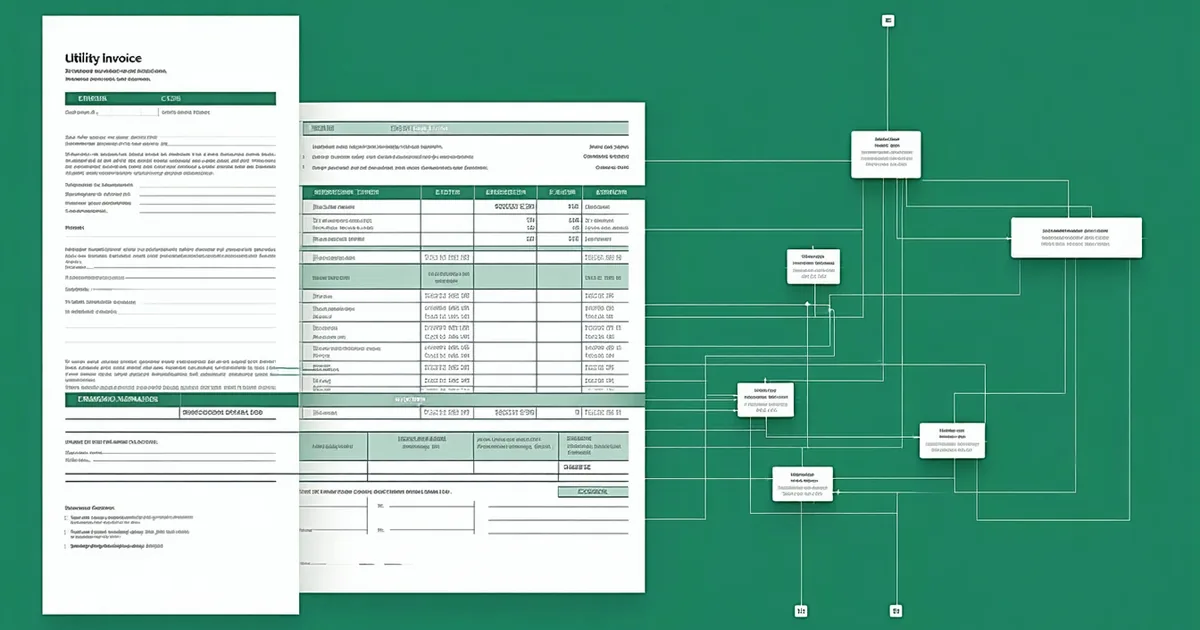
When your weighbridge talks to your tracking system directly, manual data entry disappears — along with most of the error that makes EPR filings indefensible.
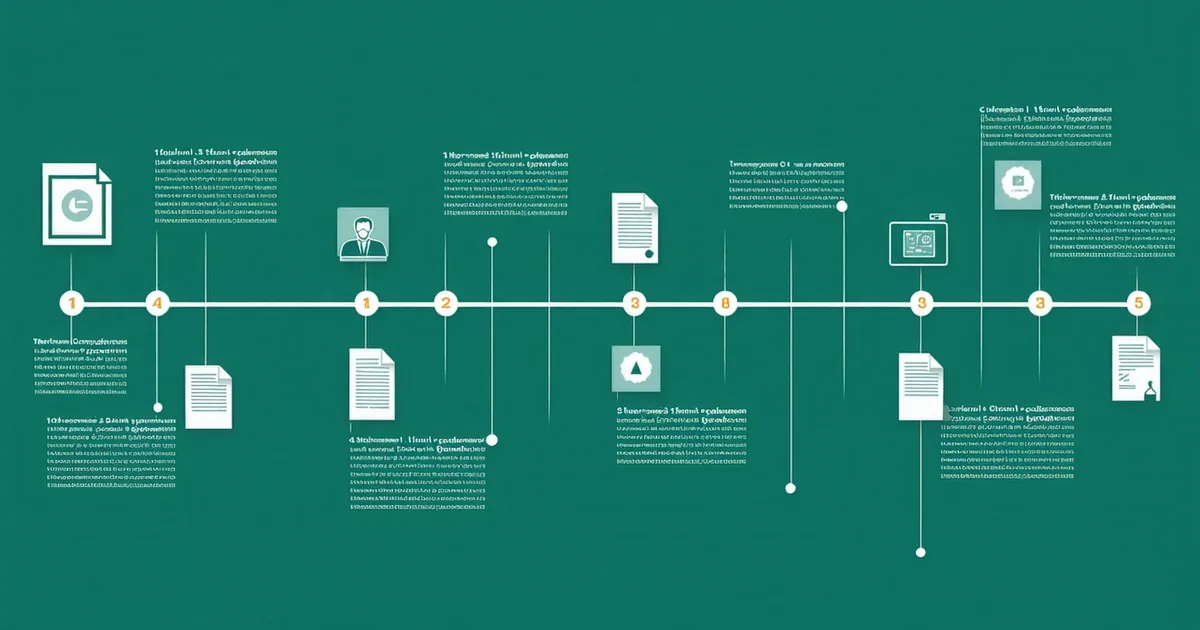
Eleven states now have active EPR frameworks affecting discrete manufacturers. Here's where each stands on documentation requirements and enforcement timelines.
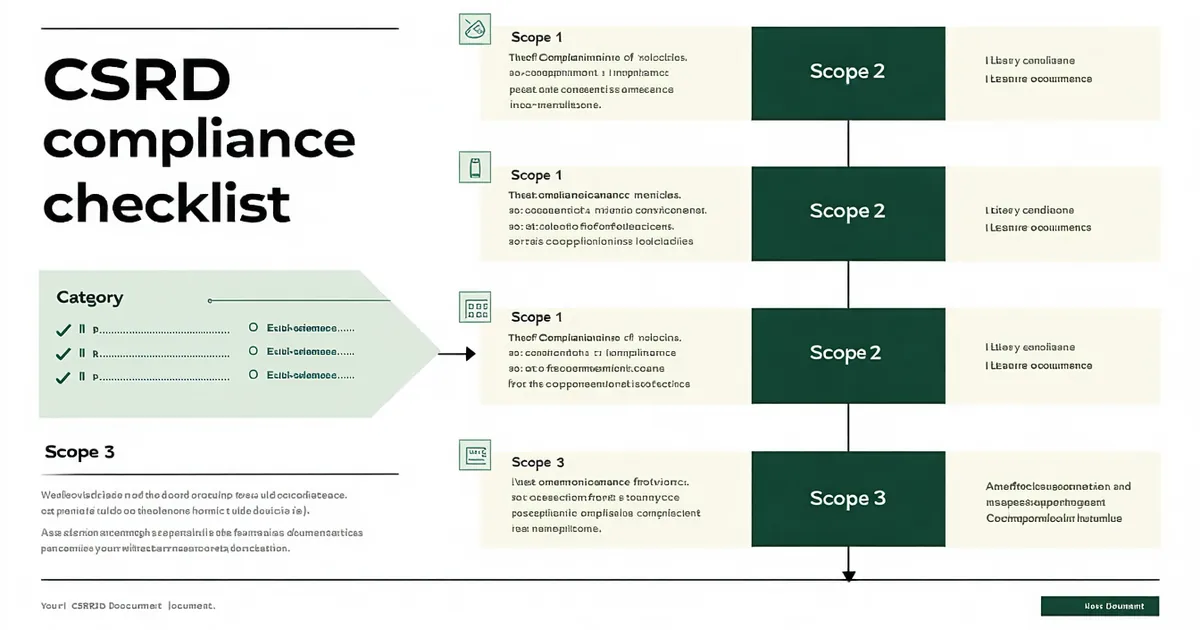
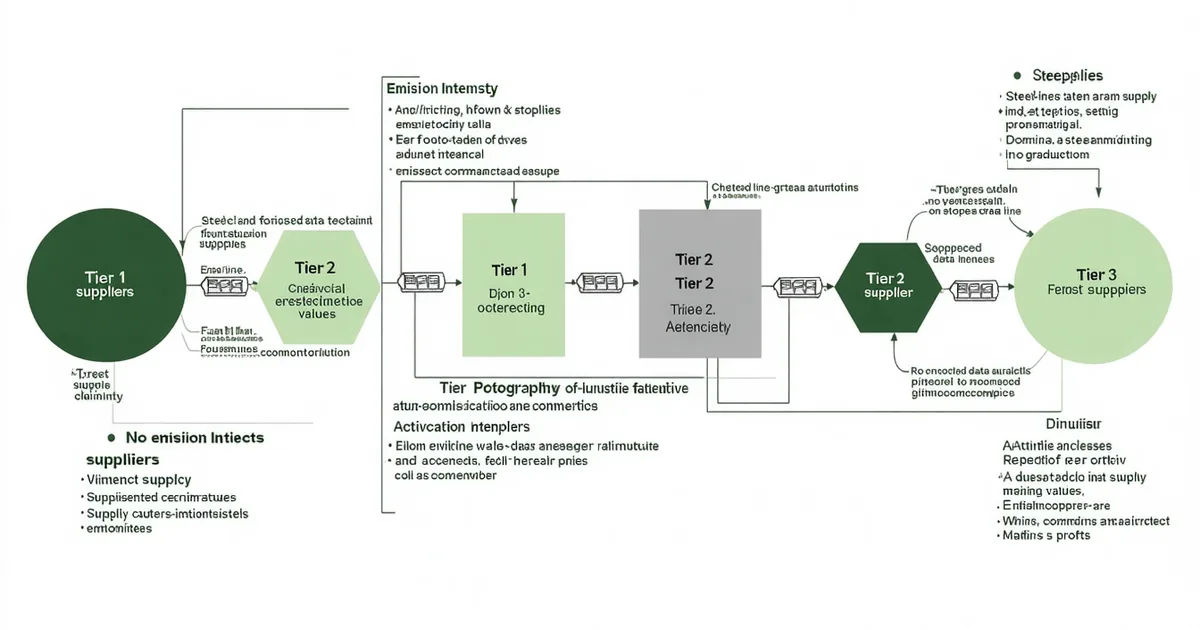
If your plant ships to European OEMs or Tier-1 suppliers, CSRD waste data requirements are arriving through your supply chain — whether or not you're subject to the regulation directly. What you need to prepare.
The Big Three and European OEMs are adding recycled content documentation to supplier qualification criteria. What the chain-of-custody evidence package needs to contain.
Material tracking built for EPR compliance also generates operational data most plant managers have never had visibility into: scrap yield variance by shift, line, and material grade.
Detroit's manufacturing base is at the center of US circular economy policy ambition. What that means for plant operations directors dealing with actual compliance deadlines.
Most material tracking systems stop at the loading dock. EPR regulations require documented confirmation of receipt at the recycler's weighbridge gate — that last-mile gap is where most chain-of-custody records break down.
EPR compliance spending is usually framed as regulatory risk mitigation. The operational data it generates — scrap yield analytics, material recovery rates — has a separate business value.
When the same manufacturer operates across four states with different EPR frameworks, the documentation challenge multiplies. Strategies for building a consolidated compliance architecture.