Track scrap. Prove the loop. File clean.
A complete chain-of-custody layer: from production floor tagging, through recycler handoff, to verified EPR certificate.
Five steps from press line to EPR certificate
Material Tagging at the Source Line
Every container tagged at generation. No manual data entry.
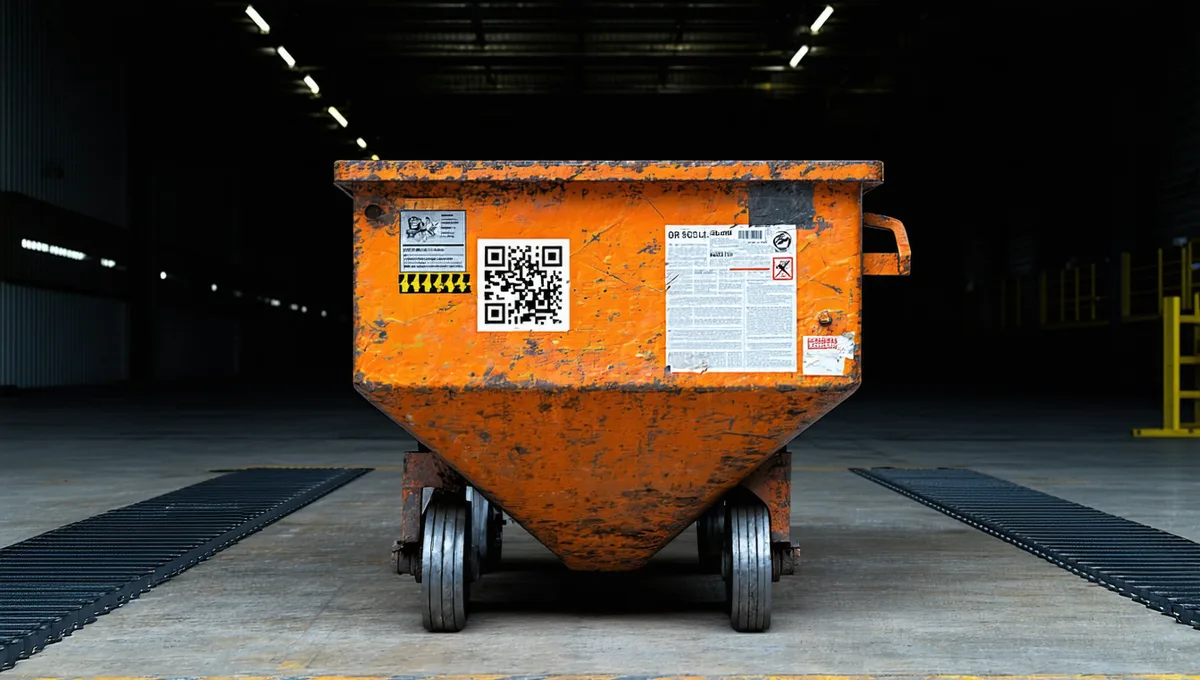
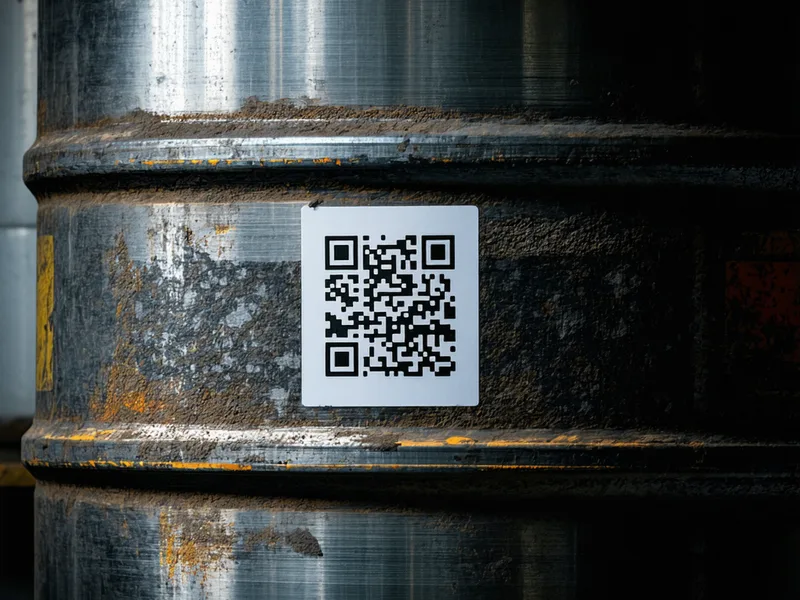
Circulyft-issued QR labels and optional RFID tags are applied to scrap containers at the press line or cutting station. Each tag captures: material grade (steel, aluminum, copper, plastic type), source line ID, timestamp, and estimated weight from integrated scale-bridge. Tag data syncs to the Circulyft platform in real time via lightweight factory-floor agents — compatible with most industrial Wi-Fi and LAN environments.
Chain-of-Custody from Floor to Recycler
Every handoff logged, signed, and timestamped.
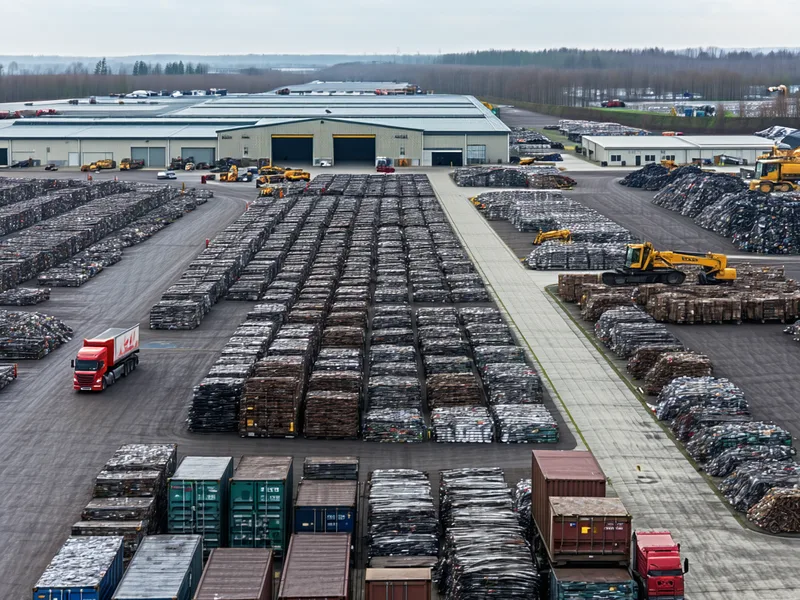
When a container is picked up by the recycler's carrier, the driver scans the Circulyft QR and signs digitally on the mobile app. When the load is received at the recycler facility, the receiving team logs the weighbridge ticket against the Circulyft chain-of-custody record. The platform matches declared weight vs received weight — flagging discrepancies before they become audit problems.
Automated EPR Filing from Verified Data
No more spreadsheet assembly. State filings generated from the platform.
| Material Grade | Kg Generated | Kg Cert. Recycled | Closed-Loop % | Certificate ID | Status |
|---|---|---|---|---|---|
| Steel ST-304 | 1,842 kg | 1,720 kg | 93.4% | CERT-2026-04-A114 | Verified |
| Steel ST-316 | 609 kg | 587 kg | 96.4% | CERT-2026-04-A115 | Verified |
| Aluminum AL-6061 | 347 kg | 310 kg | 89.3% | CERT-2026-04-B022 | Verified |
| Copper CU-101 | 88 kg | 82 kg | 93.2% | CERT-2026-04-C009 | Verified |
| HDPE Plastic | 124 kg | 108 kg | 87.1% | CERT-2026-04-P031 | Pending |
| BATCH TOTAL | 3,010 kg | 2,807 kg | 93.3% | MI-EPR-2026-Q2-001 | Ready to file |
Integrates with what you already run
SAP, Oracle NetSuite, Plex, and common MES systems.
Circulyft is an additive layer — it reads production order data from your ERP and pushes verified recycled-content data back. No rip-and-replace. Typical integration: 2-3 days of API setup.
See all integrationsTechnical Specifications
| Tagging Methods | QR code, RFID, barcode (scanner or mobile) |
|---|---|
| Scale Integration | Mettler-Toledo, Rice Lake, Avery Weigh-Tronix via Modbus/RS-232/TCP |
| Factory Network | Industrial Wi-Fi, ethernet LAN, LTE cellular fallback |
| Data Sync | Real-time cloud + offline-capable edge agent (queue resync on reconnect) |
| ERP Connectors | SAP ECC/S4HANA, Oracle NetSuite, Plex Manufacturing Cloud, custom REST API |
| EPR Report Formats | Michigan Clean Products, California SB 54, Oregon EPR, custom state formats |
| Certifications Supported | Designed to support ISO 14001 waste data reporting, GRI 306, CSRD Annex I Waste |
| Uptime | 99.7% cloud platform SLA |
See it running on a real press line.
One production line. 30 days. Your actual recycler. Your actual material grades. We handle the weighbridge integration.